
A Senior’s Guide to Winter Moves Back to Florida

The best winter move to Florida starts long before the first cold front hits. For many seniors, the trip south is familiar, but each season brings its own details: prescriptions to refill, mail to forward, hurricane repairs to check, holiday traffic to avoid, and a home up north to leave safely behind.
A smooth seasonal move is less about packing everything and more about packing the right things, at the right time, with fewer last-minute surprises. This guide covers the practical steps that make the trip safer, calmer, and easier to manage.
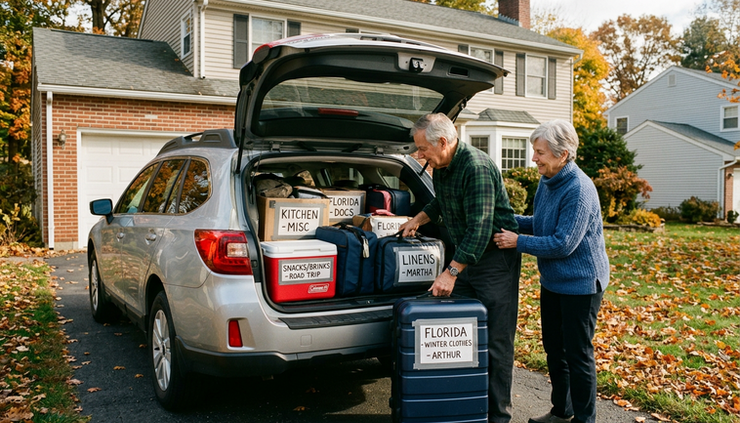
Plan the move around weather, traffic, and energy
Winter moves to Florida often happen between late October and early January. The right date depends on health needs, family plans, lease dates, and comfort with colder weather up north.
A good moving window gives room for delays. Early winter storms, car trouble, medical appointments, and holiday traffic can all add stress. Building in a buffer helps avoid rushed decisions.
For many seniors, the best travel schedule has three features:
Daylight driving
Shorter travel days
Flexible overnight stops
Trying to cover too many miles in one day can turn a simple drive into a tiring ordeal. A winter move is not a race. If driving, plan around rest stops, meals, medication times, and comfortable lodging.
If flying, book direct flights when possible. Direct flights reduce the need to rush through terminals or manage connections with mobility equipment. If a connection is unavoidable, allow plenty of time between flights.
Choose a move date with Florida in mind
Florida’s winter season is popular. Snowbirds, holiday travelers, and seasonal renters often arrive around the same time. That can affect:
Availability of movers
Rental truck reservations
Hotel rooms along major routes
Short-term storage
Elevator reservations in condos
Parking access at communities
Booking earlier can make the move easier, especially for anyone returning to a condo, manufactured home community, retirement community, or seasonal rental.
Decide what is moving, what is staying, and what can wait
Seasonal moves become easier when belongings have clear categories. Before packing, divide items into four groups.
Category | What belongs there | Practical tip |
Take now | Daily clothing, medications, documents, devices, chargers, mobility aids | Keep these items close during travel |
Ship or move | Larger household goods, seasonal décor, hobby supplies | Confirm delivery timing before leaving |
Leave behind | Heavy winter items, duplicate kitchenware, extra linens | Store safely and label containers |
Replace in Florida | Low-cost toiletries, pantry staples, cleaning supplies | Avoid overpacking items that are easy to buy |
The goal is not to pack light at all costs. The goal is to keep essentials easy to reach.
A Senior’s Guide to Winter Moves Back to Florida should always include one basic rule: keep critical items with the traveler, not in the moving truck. That includes identification, insurance cards, hearing aids, glasses, medical devices, medications, phone chargers, house keys, and a small set of clothes.
Pack a first-week bag
The first few days after arrival can be busy. Furniture may not be set up, boxes may be stacked, and errands may take longer than expected. A first-week bag helps avoid digging through containers.
Include:
Comfortable warm-weather clothing
A light sweater or jacket
Sleepwear and slippers
Toiletries
Medications and supplements
Copies of important documents
Phone and tablet chargers
A flashlight
Basic first-aid items
Snacks and bottled water
A list of emergency contacts
Florida can still have cool mornings and evenings in winter, especially in northern and central parts of the state. Pack a few layers rather than only shorts and sandals.

Prepare the northern home before leaving
Leaving a home empty for the winter takes planning. Cold weather, burst pipes, power outages, and mail buildup can create problems while away.
Before departure, create a home shutdown checklist. If possible, ask a trusted neighbor, family member, or home watch service to check the property during the season.
Common steps include:
Set the thermostat to a safe temperature for the home
Shut off outdoor water lines if needed
Clear gutters before freezing weather
Unplug nonessential electronics
Remove perishable food
Empty trash and recycling
Lock windows and doors
Test smoke and carbon monoxide detectors
Arrange snow removal if required
Leave a spare key with a trusted person
For homes in colder climates, plumbing deserves special attention. Some homeowners shut off the main water supply. Others keep systems active with heat maintained. The right choice depends on the house, climate, insurance needs, and local conditions. When unsure, ask a licensed plumber or insurance agent for guidance before leaving.
Handle mail, deliveries, and services
Mail is easy to forget until something important goes missing. Set up mail forwarding or temporary holding through the postal service. Update seasonal addresses with doctors, banks, insurers, pharmacies, and subscription services.
Pause or adjust services such as:
Trash pickup
Newspaper delivery
Internet or cable
Lawn care
Snow removal
Security monitoring
Routine home deliveries
A simple calendar reminder can help restart services before returning north in spring.
Get health details settled before the trip
Seasonal moves can interrupt regular routines. That matters most with prescriptions, appointments, medical equipment, and insurance networks.
Before leaving, schedule needed checkups and refill prescriptions. Ask whether medications can be filled for an extended supply. Some plans allow longer refills for travel, while others have limits.
This article is for general information only. For medical, insurance, or medication decisions, speak with a qualified professional who knows the situation.
Bring a health folder, either paper or digital, with:
Current medication list
Dosages and refill details
Doctor contact information
Pharmacy information
Insurance cards
Allergy list
Recent care notes if needed
Medical device instructions
If Florida doctors are already part of the routine, confirm appointment dates before arrival. If establishing care with a new doctor, start early. In popular winter areas, new patient appointments may take time.
Think through mobility and comfort
A winter move can involve long walks through airports, hotel hallways, rest areas, and parking lots. Planning for comfort is not overdoing it. It is practical.
Consider:
Requesting airport wheelchair assistance
Booking accessible hotel rooms
Bringing a cane, walker, or rollator if used
Keeping compression socks handy if recommended by a clinician
Packing a small pillow for the car or plane
Wearing easy-on shoes for travel days
For car trips, keep the front seat area clear. Twisting around to reach bags can strain the back or shoulders. A small tote with only travel-day essentials is safer and easier.
Choose the right moving option
Not every seasonal move needs a full-service mover. The best choice depends on distance, budget, health, timing, and how much is going south.
Moving option | Best for | Watch for |
Personal vehicle | Light seasonal moves | Limited space and long driving days |
Rental truck | Larger loads with family help | Lifting, parking, and driving stress |
Portable container | Flexible loading schedule | Delivery timing and driveway access |
Full-service mover | Larger homes or limited mobility | Higher cost and advance booking |
Shipping boxes | Clothing, books, small goods | Weight limits and arrival tracking |
Ask movers clear questions before booking. Confirm whether they handle seasonal moves, what happens if delivery is delayed, and whether they provide written estimates. Be wary of vague pricing or pressure to decide immediately.
If moving into a condo or community, ask about move-in rules. Some buildings limit move-in hours, require elevator padding, or need advance notice for large trucks.

Make the travel days simple and safe
Travel days go better when decisions are made ahead of time. Map the route, choose stopping points, and share the plan with a family member or friend.
For a drive south, keep these items in the car cabin:
Driver’s license and registration
Insurance information
Phone charger and backup battery
Water and snacks
Medications
Glasses and hearing aid supplies
Jacket or blanket
Hand sanitizer and tissues
Emergency contact list
Roadside assistance information
Avoid packing the cabin so tightly that mirrors, windows, or emergency items are blocked. Safety matters more than squeezing in one extra box.
Plan for pets
Many seniors travel with pets, and Florida winter moves can be stressful for animals too. Bring vaccination records, food, water, medication, leash, waste bags, and comfort items.
If staying overnight, confirm pet policies before booking. Some hotels have size limits, pet fees, or restricted rooms. Never assume every location along the route will accept animals.
In Florida, update pet tags with the seasonal address or a cell phone number. If the pet is microchipped, confirm that the contact information is current.
Prepare for arrival in Florida
The first day back in Florida should be calm and focused. Before unloading everything, walk through the home.
Check:
Air conditioning
Water leaks
Electrical issues
Refrigerator and freezer
Pest activity
Smoke detectors
Internet and phone service
Outdoor areas
Storm shutters or screens
Mailbox and community notices
Florida homes can face heat, humidity, storms, and pests while vacant. If something seems off, handle safety concerns first. Water damage, electrical problems, or signs of mold should be addressed promptly by qualified professionals.
Restock with intention
It is tempting to buy everything at once after arrival. A better plan is to restock in stages.
Start with:
Drinking water
Fresh groceries
Basic cleaning supplies
Paper goods
Toiletries
Batteries
Light bulbs
Sunscreen
Insect repellent
Then wait a day or two before buying extras. This prevents duplicate purchases and gives time to see what is already in the home.
Reconnect with local routines
A seasonal move is not finished when the boxes are inside. The next step is settling into Florida life again.
Reconnect with:
Neighbors
Community office staff
Local doctors
Pharmacy
Faith community or social groups
Fitness or pool classes
Favorite grocery stores
Home maintenance contacts
If driving in Florida after months away, take the first few trips slowly. Roads may be busier than expected during winter season. Tourist areas, coastal towns, and popular retirement communities can see heavier traffic.
Also review local emergency plans. Know the nearest urgent care, hospital, pharmacy, and storm shelter information if applicable. Even in winter, Florida weather can change quickly.

Keep the move easier next year
The best time to improve next winter’s move is during this winter’s arrival. Keep a small notebook or digital note with what worked and what caused stress.
Track things like:
Items packed but never used
Items missed during the first week
Best overnight stops
Preferred travel dates
Mover or shipping notes
Home shutdown steps
Florida arrival tasks
Contact names and phone numbers
At the end of the season, use the list when planning the spring move back north. Over time, the seasonal move becomes more predictable.
A winter move to Florida should feel like a return to comfort, not a test of endurance. With an early plan, well-packed essentials, a protected northern home, and a slower travel schedule, the move south can be safer and far less stressful.
The simplest next step is to choose the travel date, then build the plan backward from there. Once the date is set, the rest becomes a checklist, one manageable task at a time.


Comments